
- December 22, 2025

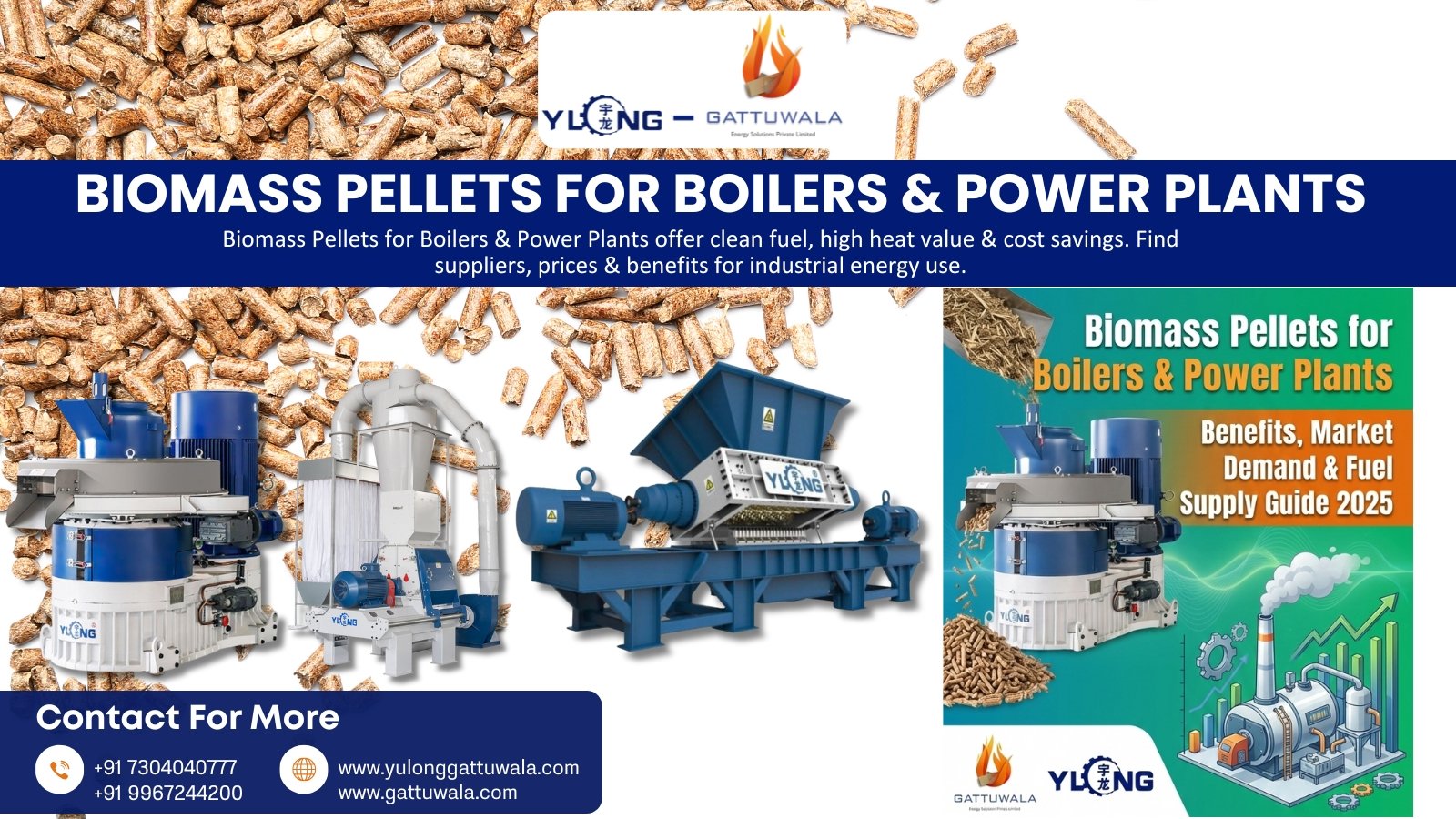
Biomass pellets for boilers and power plants are transforming India’s energy structure. As industries move away from coal, furnace oil, and LPG, biomass pellets have become a clean and economical replacement. These compressed biomass cylinders are produced from organic waste such as sawdust, rice husk, wood chips, crop residue, bamboo dust, mustard husk, and other agricultural by-products. In 2025, pellet demand from boiler industries and thermal power plants has grown drastically because both sectors are under strong environmental and cost-saving pressure.
This article explains why biomass pellets are ideal fuel for boilers and power plants, how they work, major benefits, price factors, and the growing market outlook across India.
Biomass pellets are organic fuel materials compressed into 6–10 mm cylindrical pellets. During manufacturing, the biomass is dried, crushed, conditioned in steam, and then pressed using a pellet mill.
In boilers, these pellets work as feed fuel:
- Pellets are fed into the fuel chamber
- Automatic ignition burners light up the combustion area
- Steam or heat is produced using pellet flame
- Steam is transferred to industrial applications
Unlike coal, pellets offer uniform combustion, require minimal manual handling, and burn efficiently with lower emissions.
Thermal power plants in India are adapting biomass pellet fuel to reduce coal usage and carbon emissions. Many Indian power plants now co-fire biomass with coal to achieve sustainability goals. Government policy also supports it through green electricity targets.
Bio-pellets support power plants because:
- They offer steady heat output
- Pellet combustion is cleaner than coal
- Lower ash production reduces waste management load
- Easy storage & transport
- Power plants can modify fuel systems to pellet co-firing
Advantages of Biomass Pellets for Boilers & Power Plants
1. High Calorific Value
Biomass pellets supply 3800 to 4500 kcal/kg energy depending on raw material.
2. Eco-Friendly Fuel
CO₂ emissions are 80% lower compared to coal and furnace oil.
3. Lower Cost Per Ton
Pellet fuel prices are cheaper than diesel, furnace oil, LPG, and coal.
4. Reduced Ash & Waste
Ash content remains as low as 3–8% which simplifies disposal.
5. Easy Handling & Feeding
Pellets flow smoothly through fuel feeding systems without manual effort.
6. Government Policy Support
India supports biomass pellet usage through energy transition schemes.
Growing Demand from Indian Industries
The biggest pellet buyers for boiler fuel in India are:
- Textile mills
- Dairy factories
- Sugar mills
- Paper mills
- Cement producers
- Steel re-rolling plants
- Large commercial kitchens
Meanwhile, power plants using biomass co-firing include:
- NTPC stations
- Independent thermal power units
- Private utility plants
Industrial boilers now prefer biomass pellets because they cut fuel bills, offer long-term operational stability, and help meet environmental compliance rules.
Pellet cost varies depending on raw material and state. On average:
- Biomass pellets: ₹9 to ₹15 per kg
- Industrial pellets: ₹10,000 to ₹13,000 per ton
- Biomass pellets: ₹9 to ₹15 per kg
Prices are lower in states like Punjab, UP, MP, Gujarat, and Rajasthan due to raw material availability.
When selecting pellets, industries should focus on:
- Moisture below 10%
- Ash content below 8%
- Pellet diameter uniformity
- Heat Value above 3800 kcal/kg
- Raw material consistency
Testing pellets before bulk purchase is recommended to ensure performance.
The pellet fuel industry is expected to grow 30% annually. Coal-dependent systems will gradually switch to green fuel, increasing pellet machinery installations and pellet fuel factories across India.
India’s boiler industry alone has the capacity to consume millions of tons of pellet fuel every year. Government renewable energy missions indicate that by 2030, biomass will supply a major portion of industrial heating and power generation fuel.
Biomass pellets are becoming the preferred replacement for fossil fuel across Indian boilers and power plants. Their clean-burning efficiency, lower fuel cost, and simple handling are helping industries reduce operational expenses and improve energy sustainability.
With rising consumer demand and strong government support, biomass pellets will continue to expand across India’s industrial fuel sector. For businesses planning to switch energy sources, biomass pellets provide a reliable, powerful, and green solution for long-term growth.

Biomass Pellets Manufacturers in Uttar Pradesh
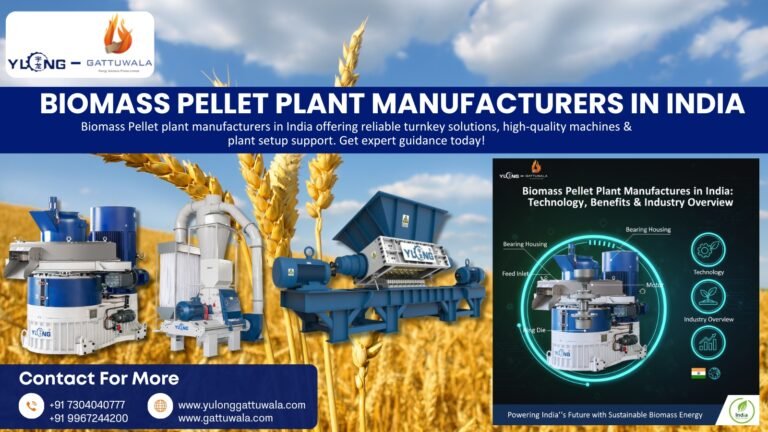
Biomass Pellet Plant Manufacturers in India