- May 13, 2026
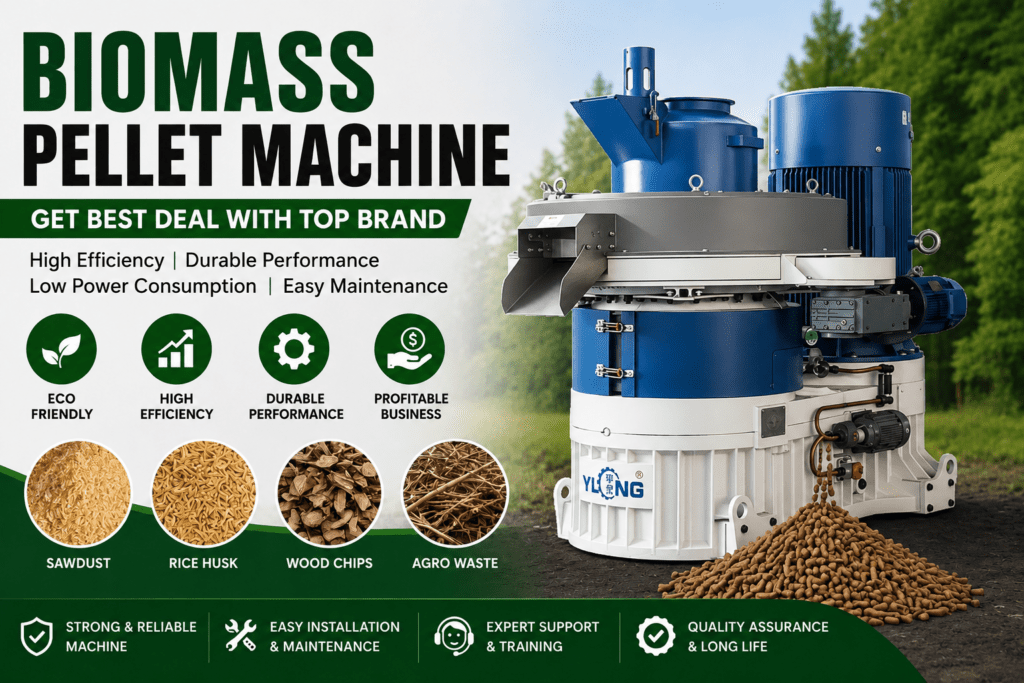
The demand for biomass fuel is growing rapidly across India and international markets. Industries, thermal power plants, and commercial heating systems are shifting toward eco-friendly fuel solutions, making biomass pellets one of the fastest-growing energy products today. Because of this growing demand, investing in a high-quality biomass pellet machine has become a profitable business opportunity for entrepreneurs, agro industries, and manufacturers.
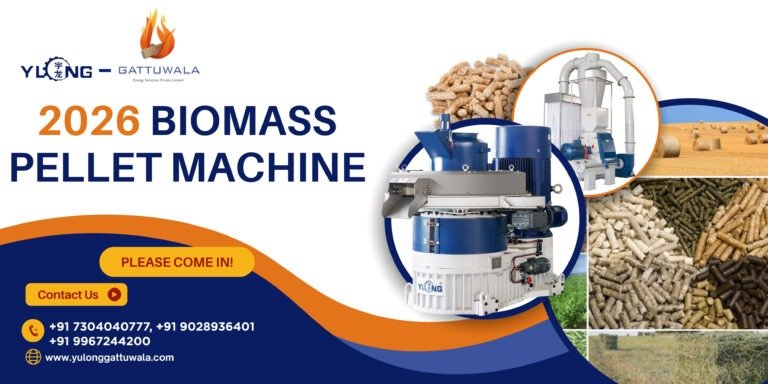
A biomass pellet machine is used to convert agricultural waste, wood chips, sawdust, rice husk, mustard stalk, groundnut shell, and other biomass materials into high-density fuel pellets. These pellets are clean-burning, easy to transport, and offer high calorific value.
Why Biomass Pellet Machines Are in High Demand
India produces millions of tons of agricultural waste every year. Much of this waste is burned in open fields, creating pollution and environmental damage. Biomass pellet machines help solve this problem by converting waste into renewable energy fuel.
Today, many thermal power plants are using biomass pellets for co-firing with coal. Government policies are also encouraging industries to adopt green fuel alternatives. This has created huge demand for pellet manufacturing plants and modern pellet machines.
Features of a Good Biomass Pellet Machine
When choosing a pellet machine, quality and performance matter the most. A reliable machine should offer:
• High production capacity
• Low power consumption
• Strong roller and die system
• Stable pellet quality
• Long machine life
• Easy maintenance
• Continuous production performance
Top brands also provide installation support, operator training, spare parts, and technical guidance for setting up a complete biomass pellet plant.
A biomass pellet machine can process many types of raw materials, including:
• Sawdust
• Wood powder
• Rice husk
• Cotton stalk
• Bagasse
• Bamboo dust
• Groundnut shell
• Mustard husk
• Agro waste
The moisture level and particle size of the raw material play an important role in pellet quality. Most plants use hammer mills, dryers, and conveyors along with pellet machines for smooth production.
Benefits of Starting a Biomass Pellet Business
The biomass pellet industry offers excellent long-term business potential. Key advantages include:
• Growing market demand
• Government support and subsidy opportunities
• Environment-friendly business model
• High return on investment
• Increasing demand from power plants and industries
• Export opportunities in global markets
With the right machinery and proper setup, pellet manufacturing can become a stable and profitable business.
Q1. What is a biomass pellet machine?
A biomass pellet machine converts agricultural and wood waste into fuel pellets used for industrial heating and power generation.
Q2. What raw materials can be used in pellet machines?
Sawdust, rice husk, bamboo dust, mustard stalk, bagasse, cotton stalk, and many other agro wastes can be used.
Q3. Is biomass pellet manufacturing profitable?
Yes, due to rising demand from industries and thermal power plants, biomass pellet manufacturing is considered a profitable green energy business.
Q4. What is the ideal moisture content for pellet production?
Generally, 10% to 15% moisture is recommended for good pellet quality.
Q5. How do I choose the best pellet machine brand?
Choose a company that offers durable machinery, technical support, installation guidance, spare parts, and strong after-sales service.
Q6. Can I get government subsidy for biomass pellet plants?
In many cases, government schemes and renewable energy programs may support biomass projects. Availability depends on state policies and project type.
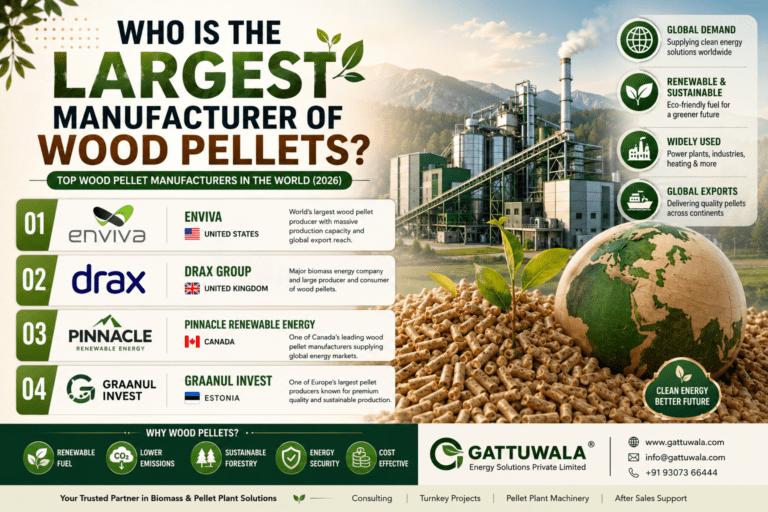
Who is the largest manufacturer of wood pellets?
BIOMASS PELLET MILL MACHINERY – Rice Husk